info@myscrs.org
    • Join SCRS
    • Member Login
    Search
    Menu
    • About
      • Welcome to the Society for Clinical Research Sites

        About SCRS

        The advocacy organization representing the voices of global research sites.

        Meet the Team

        The people behind SCRS.

        Leadership Council

        The leaders providing guidance and oversight to SCRS.

    • Membership
      • Become a Member

        Join SCRS

        The global community for research sites. Explore SCRS membership benefits.

        Member Portal Login

        Access resources, events, and communities built for members.

    • Partners
      • Corporate & Global Impact Partners

        Industry partners aligned with SCRS to support site sustainability.

        Partner with SCRS

        Explore how to support SCRS programs or showcase your organization through events.

    • Advocacy
      • Digital Innovation

        Education and training on decentralized clinical trials (DCTs) and emerging clinical technologies.

        Cut>25 Training

        Industry-wide effort to reduce site training requirements.

        IncluDE Program

        Supporting clinical research that reflects all communities.

        Demographic Site Assessment Tool

        Oncology Program

        Empowers clinical research sites as essential partners in the cancer research ecosystem.

        Oncology Trial Phase 1 Resources

        Payment Initiative

        Addresses financial burdens for research sites and study participants.

        Site Advocacy Groups

        Sites and industry in dialogue to improve clinical research processes, tools, and partnerships.

        Collaborate Forward

        Exploring best practices to close collaboration gaps across clinical research.

        Get Involved

        Volunteer to participate in SCRS programs and initiatives.

        2026 Landscape Survey

        Shape the future of clinical research by providing critical data on industry operations, finances, staffing, technology, and partnerships.

    • Events
      • Site Solutions Summits

        Australia-New Zealand

        Europe

        Global

        Latin America

        West

        Awards
        Summit Justification Tool
        Webinars
        Ambassador Program

        Serving Africa, Asia and Brazil

        Workshops
    • Resources & Training
      • Podcast

        SCRS Talks Podcast

        Submission Form

        Publications

        White Papers & Guides

        InFocus Newsletter

        Articles

        Site Invoiceables Toolkit

        Understand key components of protocol budgets and how to appropriately plan for all associated costs.

        Training

        Good Clinical Practice (GCP) Training

        Learn more about free GCP training available to SCRS members.

        Webinar Access

        Register for upcoming webinars or watch recordings on demand.

        Site Management Modules

        Free clinical research training modules.

        Recist Training Modules

        Oncology training for site staff.

    Search
    START TYPING AND PRESS ENTER TO SEARCH
    • About
      • Welcome to the Society for Clinical Research Sites

        About SCRS

        The advocacy organization representing the voices of global research sites.

        Meet the Team

        The people behind SCRS.

        Leadership Council

        The leaders providing guidance and oversight to SCRS.

    • Membership
      • Become a Member

        Join SCRS

        The global community for research sites. Explore SCRS membership benefits.

        Member Portal Login

        Access resources, events, and communities built for members.

    • Partners
      • Corporate & Global Impact Partners

        Industry partners aligned with SCRS to support site sustainability.

        Partner with SCRS

        Explore how to support SCRS programs or showcase your organization through events.

    • Advocacy
      • Digital Innovation

        Education and training on decentralized clinical trials (DCTs) and emerging clinical technologies.

        Cut>25 Training

        Industry-wide effort to reduce site training requirements.

        IncluDE Program

        Supporting clinical research that reflects all communities.

        Demographic Site Assessment Tool

        Oncology Program

        Empowers clinical research sites as essential partners in the cancer research ecosystem.

        Oncology Trial Phase 1 Resources

        Payment Initiative

        Addresses financial burdens for research sites and study participants.

        Site Advocacy Groups

        Sites and industry in dialogue to improve clinical research processes, tools, and partnerships.

        Collaborate Forward

        Exploring best practices to close collaboration gaps across clinical research.

        Get Involved

        Volunteer to participate in SCRS programs and initiatives.

        2026 Landscape Survey

        Shape the future of clinical research by providing critical data on industry operations, finances, staffing, technology, and partnerships.

    • Events
      • Site Solutions Summits

        Australia-New Zealand

        Europe

        Global

        Latin America

        West

        Awards
        Summit Justification Tool
        Webinars
        Ambassador Program

        Serving Africa, Asia and Brazil

        Workshops
    • Resources & Training
      • Podcast

        SCRS Talks Podcast

        Submission Form

        Publications

        White Papers & Guides

        InFocus Newsletter

        Articles

        Site Invoiceables Toolkit

        Understand key components of protocol budgets and how to appropriately plan for all associated costs.

        Training

        Good Clinical Practice (GCP) Training

        Learn more about free GCP training available to SCRS members.

        Webinar Access

        Register for upcoming webinars or watch recordings on demand.

        Site Management Modules

        Free clinical research training modules.

        Recist Training Modules

        Oncology training for site staff.

    • info@myscrs.org
    • Join SCRS
    • Member Login
    SCRS LogoSCRS LogoSCRS LogoSCRS Logo
    • About
      • About
    • Membership
      • Membership
    • Partners
      • Partnerships
    • Advocacy
      • Advocacy
    • Events
      • Events
    • Resources & Training
      • Resources & Training
    ✕
    • Home
    • Blog
    • Resources
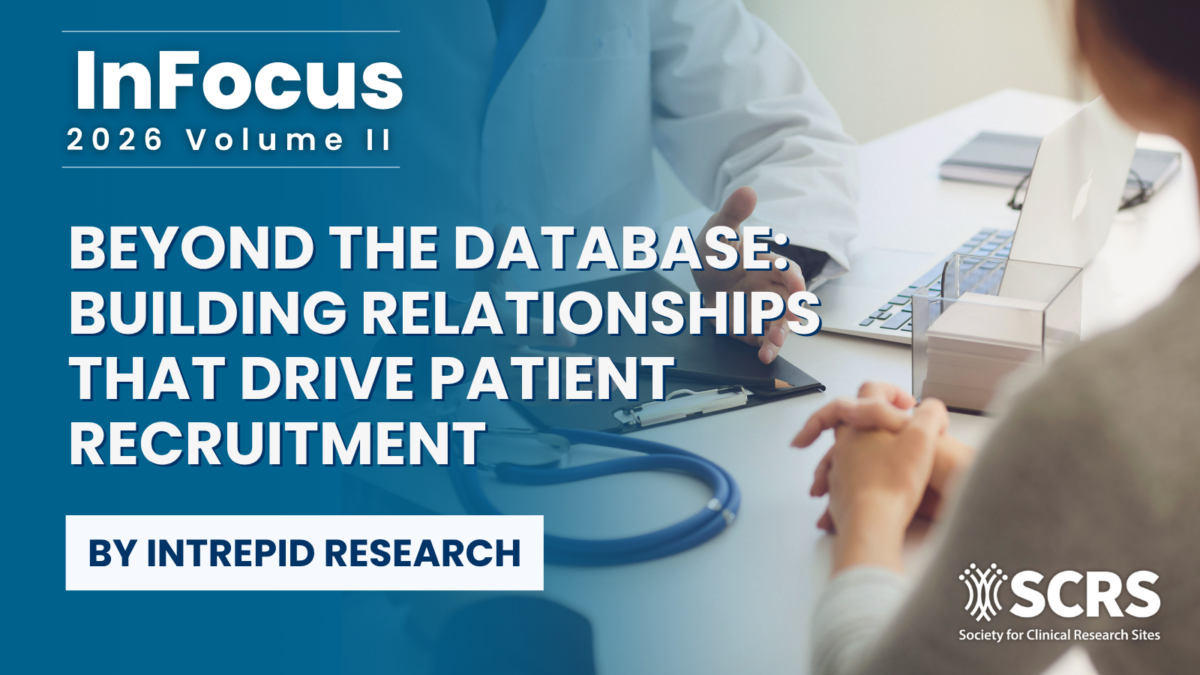
    • Beyond the Database: Building Relationships That Drive Patient Recruitment
    Beyond the Database: Building Relationships That Drive Patient Recruitment

    August 25, 2026

    Independent clinical research sites are often compared to large academic medical centers and integrated health systems when it comes to patient recruitment. While larger institutions may benefit from extensive referral networks, recognizable brands, and greater resources, independent sites possess something equally valuable: the ability to build meaningful relationships, adapt quickly, and create highly personalized recruitment strategies.

    Success in recruitment is not determined solely by the size of a site’s patient database or marketing budget. Instead, it often depends on how effectively a site connects people, processes, and partnerships into one coordinated effort. For many independent sites, the greatest opportunity lies in creating a recruitment ecosystem rather than relying on individual recruitment tactics.

    Recruitment Is More Than Marketing

    When recruitment is discussed, the conversation often centers on advertising, social media, or patient databases. While these tools certainly have value, they represent only one piece of the participant journey.

    A sustainable recruitment strategy begins long before a participant clicks on an advertisement or speaks with a study coordinator. It begins by building trust within the community, educating healthcare providers about research opportunities, creating positive participant experiences, and ensuring every department within the organization contributes to recruitment success.

    Independent sites are uniquely positioned to connect these efforts because communication can often occur more quickly across smaller, collaborative teams.

    Build Cross-Functional Collaboration

    One of the most effective ways to strengthen recruitment is by eliminating the traditional separation between departments.

    Recruitment should not belong exclusively to coordinators or marketing teams. Investigators, business development staff, front office personnel, recruiters, clinical providers, and leadership all interact with potential participants and referring providers in different ways.

    Regular cross-functional meetings can help teams discuss:

    • Enrollment progress
    • Recruitment barriers
    • Upcoming study opportunities
    • Community partnerships
    • Physician referral activity
    • Participant feedback
    • Recruitment performance across different channels

    These conversations allow sites to identify challenges early and adjust strategies before enrollment slows.

    Build Relationships Before You Need Them

    Strong recruitment often begins with relationships that were established months, or even years before a study opens.

    Developing partnerships with primary care physicians, specialists, community organizations, and healthcare practices creates opportunities for ongoing collaboration rather than one-time referrals. Educational presentations, lunch-and-learn sessions, and community outreach events can help providers better understand clinical research and recognize when patients may benefit from participating in a study.

    Likewise, community engagement builds familiarity and trust. When people already recognize a research site as a reliable healthcare partner, they are more likely to consider participation when an appropriate study becomes available.

    Think Beyond Individual Studies

    Every participant interaction creates an opportunity for future engagement.

    Not every patient will qualify for every protocol, but that does not mean the relationship ends. Maintaining communication with interested individuals, providing educational updates, and thoughtfully reconnecting with them when appropriate studies become available can transform individual inquiries into long-term participant relationships.

    Similarly, physician partnerships should be viewed as ongoing collaborations rather than study-specific recruitment sources. A provider who refers patients for one therapeutic area today may become a valuable partner for future studies across multiple indications.

    Building these long-term relationships creates a recruitment pipeline that extends well beyond a single enrollment period.

    Use Data to Guide Decisions

    Successful recruitment requires more than collecting metrics, it requires using them.

    Sites should regularly evaluate where referrals originate, which outreach efforts generate qualified participants, where participants disengage during the enrollment process, and how recruitment strategies perform across therapeutic areas.

    Tracking this information allows teams to make informed decisions, allocate resources effectively, and refine recruitment approaches over time.

    For independent sites, data-driven decision-making does not require sophisticated technology. Even simple tracking systems can reveal meaningful trends that improve operational efficiency.

    Every Team Member Contributes

    One of the greatest strengths of an independent research site is its people.

    Because teams are often smaller and communication is more direct, every staff member has an opportunity to influence the participant’s experience. From the first phone call to study completion, consistent communication, responsiveness, and empathy help build trust and encourage long-term engagement.

    When every department understands its role in participant recruitment and retention, recruitment becomes a shared responsibility rather than an isolated function.

    Turning Independence into an Advantage

    Independent clinical research sites may not always have the infrastructure or resources of larger institutions, but they possess qualities that are equally powerful: agility, collaboration, strong community relationships, and the ability to adapt quickly.

    By connecting recruitment efforts across departments, investing in provider and community partnerships, maintaining meaningful participant relationships, and using data to continuously improve, independent sites can create sustainable recruitment ecosystems that support both operational success and exceptional participant experiences.

    Ultimately, recruitment is not about finding participants for the next study. It is about building lasting relationships that strengthen clinical research for years to come.
    By Intrepid Research

    Share

    Related posts

    August 25, 2026

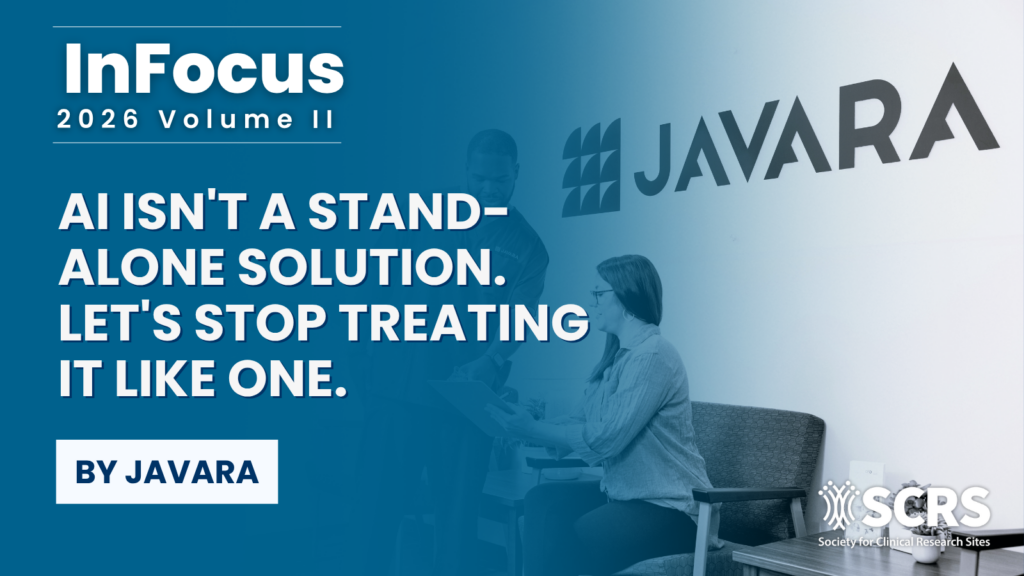
    AI Isn’t a Stand-Alone Solution. Let’s Stop Treating It Like One.


    Read more
    August 25, 2026

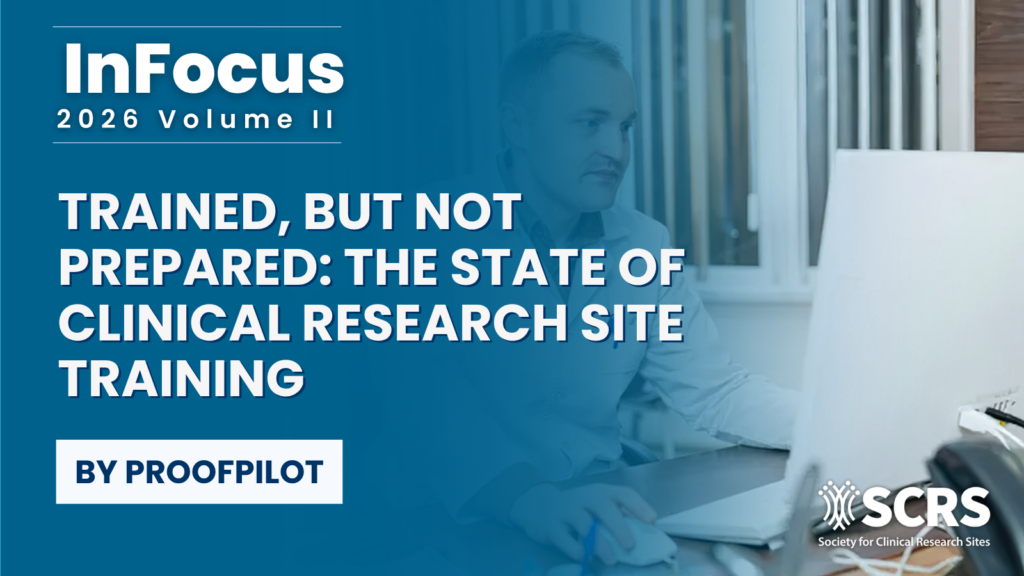
    Trained, but Not Prepared: The State of Clinical Research Site Training


    Read more
    August 25, 2026

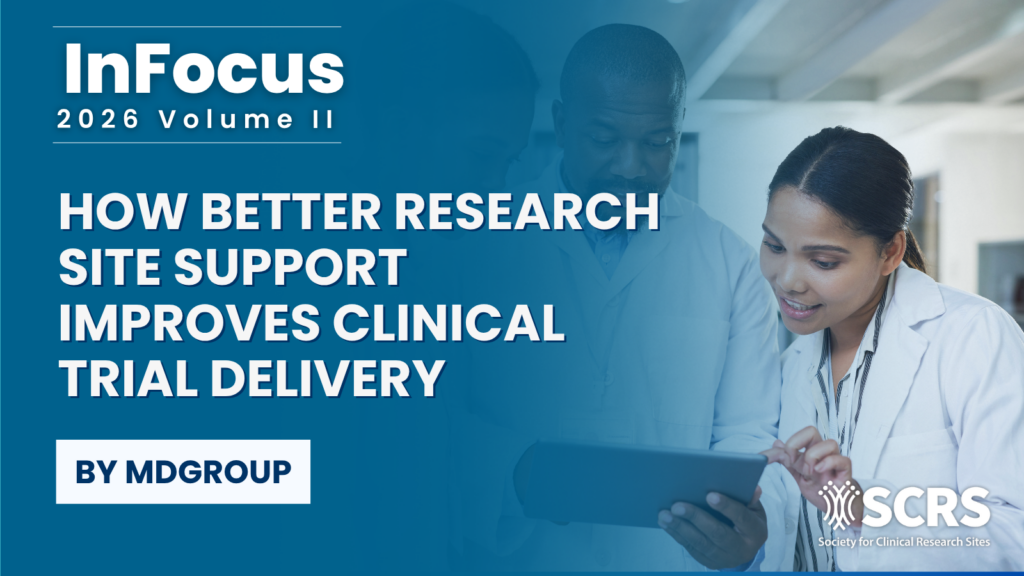
    How Better Research Site Support Improves Clinical Trial Delivery


    Read more

    info@myscrs.org

    SOCIAL


    Join Today
    Join a Summit
    © 2024, SCRS, all rights reserved. | Designed by Baltimore Web Design

    Policies | Terms of Use

      • Join SCRS
      • Member Login