
Resources & Training
Highlights from the 2023 SCRS Global Oncology Site Solutions Summit
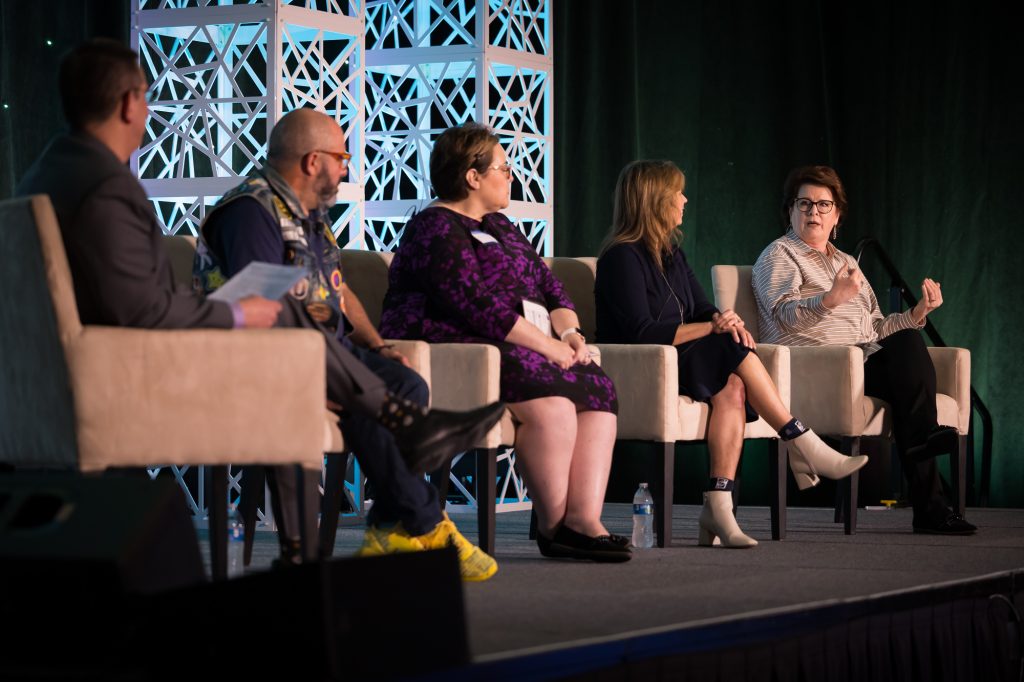
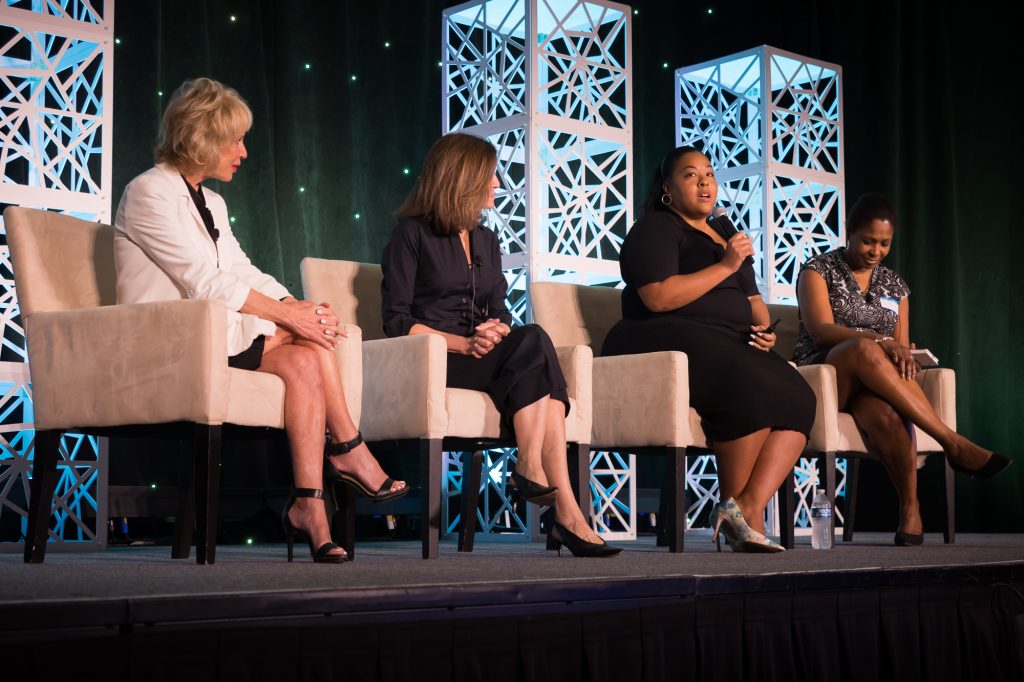
Over 400 clinical research professionals recently gathered at the SCRS Global Oncology Site Solutions Summit in Austin, Texas, for oncology-focused education, networking and a look at the offerings of leading service providers.
Sixty-four speakers in 19 sessions over 1-1/2 days provided a wealth of insights and practical tips for clinical research sites, sponsors, CROs and solution providers, such as the following:
Technology
- The current chaos in clinical research technology may pass as providers address their technology problems, superior products become dominant or merge together, fewer new products emerge, and sites discover which technologies best fit their needs.
- Sponsors should obtain input from sites on the sponsor-provided technologies that sites will have to use.
- Integration across technologies is essential.
- Smaller sites often cannot afford modern technology for clinical studies.
- Patients need options and flexibility in the technology they use (or don’t use).
- Elderly patients, in addition to any infirmities, may lack general technology competence and affinity.
- 100% of sites polled in the SCRS Oncology Landscape Survey are open to decentralized oncology studies, meaning some or all components are done virtually or off-site.
Site Workforce
- Workforce is the number-one site issue now. Personnel shortages limit capacity, stress personnel, and can reduce employee retention, productivity and work quality.
- Because of workforce issues, some sites are refusing studies with complex protocols or unfamiliar technology.
- The shortage of study coordinators has spread to investigators and regulatory and other specialists.
- Hire quality people with the right attitude. Train for skills.
- Broaden searches to entry-level people, community college programs, pre-meds, etc.
- Arbitrary requirements, e.g., at least two years of experience, should be replaced with competency requirements and assessed by the site.
- When appropriate, outsource functions that can be outsourced.
Financial Toxicity
- Most cancer patients must make serious money vs. health tradeoffs.
- Financial issues increase stress, damaging patient health outcomes.
- Patients need a comprehensive financial plan but accuracy can be problematic.
- Study personnel, including investigators, rarely have the expertise or inclination to advise patients about their treatment costs, which vary by patient, be very complicated, and may be unknowable in advance. Patient navigators/advocates/concierges should be able to advise patients on financial issues.
- Study physicians are often out of network.
- A five-percent copay on a $50,000 treatment is significant.
- In addition to treatment-related costs, patients may incur travel, lodging, caregiver, childcare, lost wages, and other out-of-pocket costs.
- The Medicare secondary payor rule constrains the patient costs that the study sponsor or site can cover.
- IRBs should not object to even substantial cost reimbursements to patients, which do not constitute income.
- Given that financial toxicity can hinder enrollment, retention and adherence, study sponsors should consider conducting fewer trials so they can afford better financial support for patients.
- Identify each patient’s specific needs.
- Lazarex and other non-profit organizations may be able to help patients with the financial aspects of clinical study participation.
- Include patients in the design of all aspects of a study that touch them.
- When hospitals create an oncology grid that provides one study for each combination of cancer type and stage, enrollment in many of the studies can be problematic. The hospitals in a community should, therefore, cooperate on filling the parts of the grid that will be used infrequently.
Site Centricity
- “Site centricity” means seeing a study from the site’s perspective (empathy), giving them a voice in study design, and making their priorities your priorities.
- You can’t consider a site without considering its community.
- Sponsor and CRO study personnel need to understand what is happening at the site, e.g., by shadowing a study coordinator. (However, some sites do not allow CRAs (or colleagues) on site.)
- Studies should employ key performance indicators that reflect site priorities.
- Hold periodic meetings with personnel from multiple sites.
Decentralized Clinical Trials (DCTs)
- DCTs are not one size fits all.
- DCTs are not siteless.
- Use DCTs to reduce patient burden. Beware of using DCT to transfer, rather than decrease, burden.
- Sites are not adequately compensated for the additional costs they incur in DCTs.
- Investigators are concerned about their ability to oversee remote personnel (e.g., home nurses) and the related safety and liability issues.
- Sites are often not equipped to deal with patient technology issues.
- Fully inform sites and patients and set expectations.
- Options (e.g., mobile phone vs. paper data eCOA, telephone/email/text/app communications) are essential.
- Flexibility (e.g., car service for participants without a smartphone, community locations like libraries for Internet access) is essential.
- Use home visits and online options to prepare for site visits, e.g., QoL questionnaires, tests and assessments.
- Be creative, e.g., let participants take photos of food rather than logging meals in a diary.
- Before a study starts, test DCT processes and technology in a protocol simulation with sites and patients.
- Include someone familiar with the technology at the first patient visit.
- DCT allows studies to cast a broader net but, so far, it does not appear to have helped improve the principal measures of diversity.
- Home visits can create numerous issues, e.g., safety for the nurse in a dangerous neighborhood, making a patient with limited mobility feel they have to clean their home, or falling off a chair when replacing a lightbulb at the patient’s request.
- Keep in mind a lot of study processes are the same with or without DCT.
Diversity
- There is less diversity in oncology studies than in other therapeutic indications.
- Many or most oncology protocols do not include diversity-related requirements.
- According to the SCRS Oncology Site Landscape Survey, 36% of oncology departments have implemented diversity-related policies, practices and procedures.
- Improving diversity requires collecting sensitive personal data (e.g., income) that does not appear related to healthcare, so clearly communicate the diversity objective to patients when collecting such data.
- Sites with a high concentration of financially well-off, Caucasian patients can contribute to age, sex, gender and other measures of diversity.
- Do not assume that study coordinators have the skillset or time to conduct community outreach activities.
- The patients in an oncology study are the study’s biggest cheerleaders.

Learn more about the SCRS Global Oncology Site Solutions Summit.
About the Author
Norman M. Goldfarb is managing director of Elimar Systems, which is developing a technology platform to transform clinical research into a collaborative, learning enterprise. He is also executive director of the Site Council and the Clinical Research Interoperability Standards Initiative (CRISI). Previously, he was chief collaboration officer of WCG Clinical, founded and led the MAGI conferences, and published the Journal of Clinical Research Best Practices.