Resources & Training
Resources
Category
Behind every successful clinical trial is a site coordinator juggling chaos: patient care, payment issues, shifting schedules, and siloed systems — all while trying to maintain trust. Read Emma’s story and see how Mural Health is reimagining site support by reducing admin overload, improving communication, and making participant management actually easier. Because when sites feel supported, trials succeed.
Manual transcription between EHR and EDC systems creates unnecessary delays, errors, and costs in clinical trials—with as much as 70% of the data being duplicated. Integrating these systems presents a powerful opportunity to streamline workflows, improve data accuracy, and accelerate trial timelines. Download a white paper showcasing how EHR-EDC integration can reduce site burden and help bring new treatments to patients faster.
Managing patient payments shouldn't be a full-time job — but for many clinical research sites, it still is. Outdated systems and manual processes lead to delays, errors, and frustrated participants, which can hurt retention and trial success. Explore how automated, flexible payment solutions can ease the burden on site staff while supporting participants’ needs. Based on insights from real site teams, we break down what matters most — and where systems often fall short.
Digital tools are transforming clinical research by improving efficiency, accuracy, and the participant experience, but success depends on thoughtful implementation. Integrating systems like eConsent and scheduling tools can further streamline operations, though challenges like patient tech literacy and internet outages still exist. Read how sites can effectively adopt and benefit from evolving clinical research technologies.
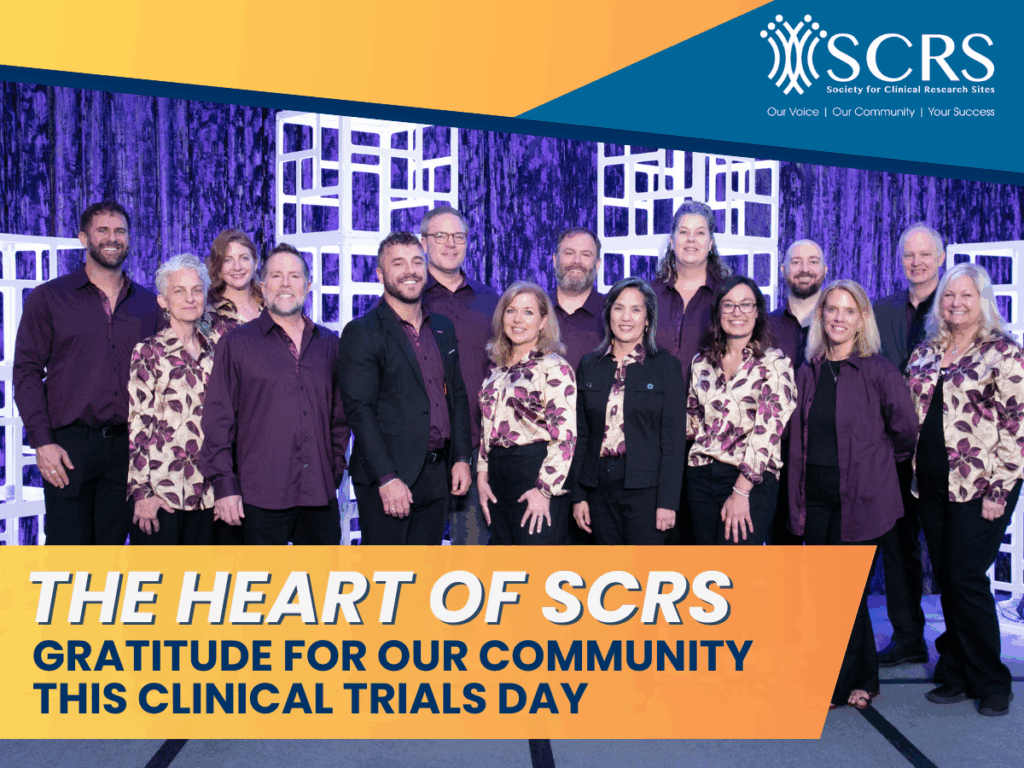
High turnover at clinical research sites is a significant challenge, leading to disrupted trials, increased costs, and a strained workforce. The reliance on temporary staff often exacerbates these issues. A new approach is needed—one that embeds experienced, sponsor-funded professionals directly at sites. This model helps provide stability, reduces financial burdens on sites, and improves trial continuity and patient experiences. By rethinking the staffing model, we can address the root causes of turnover and create a more sustainable framework for clinical trials.
High turnover at clinical research sites is a significant challenge, leading to disrupted trials, increased costs, and a strained workforce. The reliance on temporary staff often exacerbates these issues. A new approach is needed—one that embeds experienced, sponsor-funded professionals directly at sites. This model helps provide stability, reduces financial burdens on sites, and improves trial continuity and patient experiences. By rethinking the staffing model, we can address the root causes of turnover and create a more sustainable framework for clinical trials.
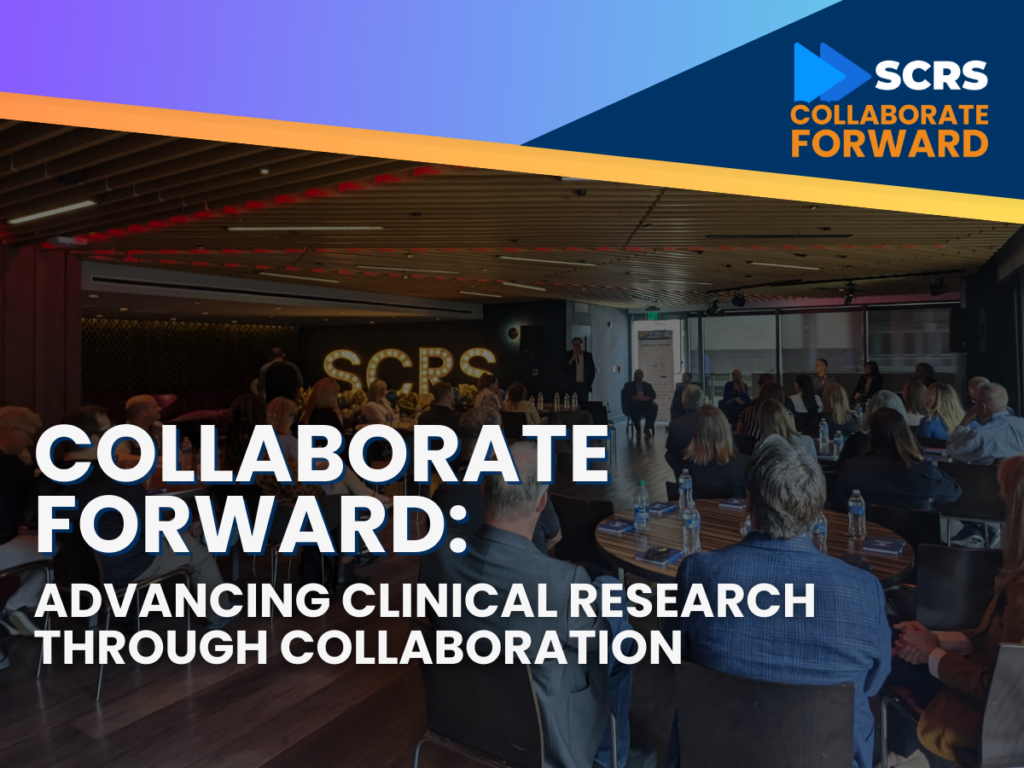
As clinical trials become more complex and timelines stretch longer, effective industry collaboration isn’t just a nice-to-have—it’s mission critical. That’s why SCRS launched Collaborate Forward: a bold new initiative aimed at identifying and implementing real-world best practices for cross-industry coordination. With a data-driven playbook in development, we’re turning collaboration from a challenge into a competitive advantage. Explore how we’re tackling study feasibility, contracts, and patient recruitment—together.
Clinical trial budgeting is complex, especially with decentralized models and growing regulatory demands. In the UK, the Interactive Costing Tool (iCT) has helped standardize and streamline budget preparation. Now, with the integration of iCT data into Medidata’s Grants Manager Planning platform, there's growing interest in how automation and standardization can reduce administrative burdens, improve accuracy, and support fair compensation for research sites.
As clinical trials expand across borders, so do the challenges—and the opportunities. From navigating diverse regulations and logistics to ensuring a seamless, supportive patient experience, cross-border trials demand adaptability, cultural awareness, and a patient-first mindset. This post dives into the key complexities sponsors and sites must manage—and how collaboration and creativity can transform barriers into breakthroughs for global research.
Dr. Benjamin Marcum shares how partnering with an integrated research organization (IRO) transformed his small-town Texas clinic into a thriving clinical research site. With embedded staff and seamless support from Javara, Dr. Marcum has now led 18 trials—all while continuing his regular clinical responsibilities. Learn how this model brings new patients, reduces overhead, and keeps physicians connected to the cutting edge of medicine.
Site training holds a necessary place in clinical research, but the current framework lacks certain elements, hindering the true goals of successful training. What lessons can we draw from other industries that have demonstrated excellence and efficiency?
The AIR Site Alliance serves as a blueprint for industry players to facilitate patient participation in clinical trials regardless of where they live, work, or receive medical care. The collective efforts of the AIR Site Alliance provide a practical model for making clinical research more accessible and innovative. At Genentech, we understand health inequities are complex and cannot be solved overnight. Best practices established through the creation of the AIR Site Alliance model can be leveraged across the healthcare landscape to encourage inclusive behavior, such as enrolling diverse patient groups in clinical studies and delivering medicines to patients who need them most. As the US Alliance yielded successful results, in partnership with the Roche group, we’ve expanded to seven other countries: South Africa, the United Kingdom, Kenya, Morocco, India, Nigeria, and Canada.
Our lives have become more digital by the day. This is especially true in the healthcare space, where developing digital solutions to replace outdated paper processes increases efficiency across the industry. Decentralization has become a hot topic in healthcare, yet despite being a buzzword in recent years, decentralization has been revolutionizing the clinical trial space since well before the pandemic. Technologies such as patient payments, electronic clinical outcome assessments (eCOA), and electronic data capture (EDC) have all been developed to optimize clinical trial operations. However, there is still a technological gap in consent management for patients, sites, and sponsors. Despite the significant potential of eConsent solutions to dramatically improve the informed consent process, it is crucial to consider their integration with existing clinical trial tools. Proper integrations can simplify workflow for patients, sites, and sponsors, rather than complicate them. Complacency with burdensome paper processes To understand the need for a patient-centric eConsent solution, we must first understand the paper process of informed consent — including the challenges and consequences that come with it. Paper consent documents are often lengthy and laden with legal jargon, making it difficult for patients to read and fully understand the terms of their participation in a trial. For sites, sponsors, and Clinical Research Organizations (CROs), this manual process creates a cumbersome paper trail with no real-time information on consent status or enrollment information by site. Furthermore, separate consent forms for different countries and languages, version control, and protocol amendments all make paper consent inflexible, operationally challenging, and burdensome. These complexities risk inadequate patient information and comprehension, errors at sites, or even compromising entire studies. So, why do stakeholders persist with paper consent despite these drawbacks? Trust. The familiarity with paper consent leads stakeholders to accept its consequences — sponsors reluctant to impose new processes on sites, site personnel accustomed to using paper, and patients’ trust in paper consent can all lead to resistance against new technologies. However, the demand for a simplified informed consent process exists, and will inevitably increase as more people are exposed to eConsent as a solution, just as it has in banking and other highly-regulated industries. According to Suvoda’s recent general population survey on awareness of eConsent and digital signatures, 50.2% of US respondents actually prefer to sign electronically (either at home or on-site).1 Simplified, patient-centric solutions can address the problems in manual processes that many have grown accustomed to while also building trust that the solution works as it is designed to — without overwhelming the patient. Meeting sites and patients where they are Like other areas of technological innovation, clinical trial decentralization aims to address the burdens and errors associated with manual processes without introducing new complexities. To accomplish this, we need to consider existing burdens on the coordinator, the investigator, and most importantly, the patient. Simplified eConsent solutions are inherently patient-centric because they take into account the challenges of the end user while also making patients feel like humans rather than just another number. For example, a recent JAMA study found that improving the readability of informed consent documents — something that eConsent achieves — could increase patient accessibility.2 More recently, consumers are taking in information in short, comprehensive clips, like 30-second TikTok videos. In the near future, patients and participants could feel more comfortable through the use of embedded videos, or the use of AI to summarize or highlight terms and provide definitions as they read the document. These technologies help return some of that power back to patients and their families, ensuring they understand what it is they are consenting to in a clearer manner. In addition to accounting for the challenges, simplified solutions give more time for investigators to focus on what matters — getting lifesaving treatments to patients faster. Practical innovation prioritizes accessibility Suvoda’s technology is aimed at harnessing complexity to improve clinical trials, rather than adding to it for the sake of innovation. Our approach revolves around two core principles: simplifying the innovation process and creating a unified, patient-centric ecosystem that seamlessly integrates within other eClinical tools. When it comes to innovation, it’s what you take out that matters. Simplifying a technological solution demands a concerted effort to self-edit to avoid overwhelming users. By identifying the issues with paper consent, guided the creation of a unified ecosystem with Suvoda eConsent— one that is elegant to manage, offers high visibility and control, and unparalleled speed and flexibility while leveraging the accessibility benefits of other decentralization tools. When eConsent integrates with IRT, it creates a virtual “gate” so that only patients who have signed the latest consent forms are dispensed the drug — simultaneously protecting patients while reducing friction for sites and sponsors. Instead of attempting to only refine the informed consent process, Suvoda introduced a patient-centered solution coupled with administrative tools, encouraging broader adoption of eConsent. Introducing new solutions to people doesn’t have to be an uphill battle if innovation is refocused on simplicity and patient-centricity. At the end of the day, we are here for patients — only when we all work together to better guide and influence our innovation will we be able to take the steps toward a better way. By Andrés Escallón Vice President, eCOA Solutions, Suvoda Sources 1Survey From Suvoda Shows Comfort with Electronic Signatures is on the Rise, Yet Healthcare Consent Still Lags.” Suvoda, April 2023. https://www.suvoda.com/insights/all-news/survey-shows-comfort-with-electronic-signatures 2Ezekiel J. Emanuel and Connor W. Boyle, “Assessment of Length and Readability of Informed Consent Documents for COVID-19 Vaccine Trials,” JAMA Network Open 4, no. 4 (April 28, 2021), https://doi.org/10.1001/jamanetworkopen.2021.10843 Download
Overview/Background & Context Founded in 2020, Cedar Health Research (CHR) is committed to advancing clinical research by leveraging innovative technologies and fostering excellence in data integrity. As the organization continued to scale, CHR faced challenges in managing clinical trials using multiple, disconnected systems. These disparate platforms created inefficiencies which made it harder to report on key metrics and coordinate between teams. To overcome these hurdles and improve performance, CHR transitioned to RealTime’s integrated eClinical system. The Challenge Complexity of Updates Across Platforms and Limited Access Before adopting RealTime’s comprehensive eClinical solutions, CHR encountered several challenges using multiple systems from different vendors related to fragmented systems and workflows. Reporting delays were a significant issue, as pulling reports from multiple systems required downloading separate data sets, reconciling them, and aligning information due to inconsistent naming conventions. This process consumed several hours each week for CHR’s operations team, slowing down decision-making and reporting accuracy. Furthermore, limited access to these platforms created bottlenecks in information flow because not all team members could access critical data. This hindered collaboration and slowed down trial progress. Barriers to Effective Task Completion and Oversight Task completion and oversight were also challenging due to the diffusion of tasks across multiple platforms. It became difficult to maintain visibility on task progress and ensure timely completion. Additionally, managing multiple login credentials for different systems was both cumbersome and posed potential security risks. The Strain of Disjointed Systems Hindering Patient Recruitment Efforts Recruiting patients involved multiple unconnected systems, demanding significant resources from various departments and resulting in incomplete patient profiles within the CTMS. This fragmentation hindered CHR’s ability to efficiently leverage interested patients for current or future study opportunities. The challenges with these disparate systems included inefficient processes—managing patient interest required navigating multiple non-integrated platforms, leading to delays and increased workload for staff. Moreover, incomplete patient profiles were another issue. The lack of integration resulted in vital patient information being scattered or missing, impeding effective follow-up and engagement. Additionally, low conversion rates plagued the recruitment efforts. Despite conducting numerous community events, the absence of a streamlined process led to minimal scheduling of pre-screens or screenings and ultimately no patient randomizations from these efforts. The fragmented nature of these systems resulted in a blurred line of sight for key performance indicators (KPIs), making tracking efficiency and performance transparency a challenging and disorganized process. Ultimately, these disconnected systems impeded CHR’s ability to operate at peak efficiency. The Solution In response to the inefficiencies of using multiple systems, CHR transitioned to RealTime-SOMS, a complete eClinical solution, which combines all trial management functions into a single platform to reduce complexity and improve clinical trial site management. RealTime-SOMS is the industry’s first, complete essential eClinical toolkit including CTMS, eSource, eReg/eISF, Pay, Text, Engage! (MyStudyManager™ Participant Portal + eConsent), and a secure Mobile App. CHR also adopted RealTime-Devana for study start-up, pipeline management, and business intelligence. [blockquote author=”” link=”” target=”_blank”] “The beautiful thing about RealTime is when my operations team and I come in, we can all see the same data. Reports, budgets – it’s all there.” – MJ Hamersma, Vice President of Operations, Cedar Health Research [/blockquote] After implementing the platform, CHR immediately saw improvements, particularly in patient recruitment. RealTime’s, unified, enterprise-grade CTMS allowed CHR to consolidate all aspects of trial management, from patient recruitment to study data reporting, under one roof. RealTime delivered a centralized system where all team members could access real-time data, reports, and study updates. Reporting became automated, eliminating the need for manual data reconciliation, and KPI tracking became transparent. The system also integrated with CHR’s existing recruitment and patient engagement strategies, using the CTMS Web Application and MyStudyManager™ app to improve patient recruitment and screening efficiency. The Results Faster Response Time to Qualified Patients/Participants Using RealTime’s Web Application, a key feature in RealTime’s enterprise-grade CTMS, the ability to manage patient profiles became even more comprehensive. What used to take about 72 hours—from building a patient profile to making initial contact—now takes one day. The system allows for detailed tracking of inclusion/exclusion (I/E) criteria and provides immediate notifications to patients about their eligibility for studies. This functionality allowed the Clinical Trial Execution (CTE) team to focus their workload on qualified patients, significantly improving response times and accelerating the recruitment process. Further, the CTE team can now easily track trends in patients meeting or not meeting inclusion/exclusion criteria, allowing them to adjust recruitment strategies as needed. Shared patient profiles within the Web App further streamlined the recruitment and improved the screening processes. This enabled faster decision-making and prequalification of patients. The app also tracks conversion rates, which helps the team measure if their outreach efforts are effective. Improved Patient Management and Study Coordination CHR also saw improvements in managing multiple enrolling studies through another key feature, the Study Progress Tab, which keeps departments and team members aligned throughout the study lifecycle. This feature facilitated better communication and ensured that everyone remained updated on study progress. The system’s Recruitment Campaign Manager is another essential feature that CHR uses in coordinating and managing patient recruitment efforts. This feature provided an integrated platform that aligned Clinical Trial Educators (CTE), Marketing, and Healthcare Professional (HCP) departments, offering clear insights into campaign activities and effectiveness. Additionally, oversight and management of advertising budgets also improved, which enabled clearer allocation and tracking of funds. RealTime-CTMS’ ability to share top-of-the-funnel metrics through Progress Notes also provided valuable insights into early engagement, further improving decision-making and collaboration across the team. Impact on Patient Recruitment One of the most impactful changes was the reduction in screening times. Using RealTime’s MyStudyManagerTM, CHR saw areduction in screening times, shortening the recruitment funnel window from 7+ days to same day, which led to faster study timelines. The ability to pre-qualify patients more efficiently also played a key role, reducing the average time to first contact by 98%. These accelerated timelines allowed CHR to take on more studies annually and increase revenue potential. [blockquote author=”” link=”” target=”_blank”]“Being able to prequalify patients has allowed us to shorten our funnel window. With the web app, our timeline has dropped down to 4-6 hours.” – MJ Hamersma, Vice President of Operations at Cedar Health Research[/blockquote] With relevant notifications sent through the app each month, patient “stickiness” and engagement were strengthened at CHR. Common notification types include new study opportunities matching patient profiles, appointment reminders to reduce no-shows, and study updates to keep participants informed of progress and milestones. Key features such as immediate eligibility feedback, a user-friendly interface, and personalized communication, all drive engagement and contribute to better participant experiences. Increased Team Productivity and Reduced Administrative Burdens Today, CHR’s team has seamlessly integrated technology into their workflow, and it has become a natural part of their daily process. The results of using a centralized platform were evident at an expo in fall of 2024 which attracted over 2,000 participants. CHR experienced the tangible benefits of improved process efficiency by establishing a consistent workflow across all patient recruitment efforts, significantly reducing redundancy and confusion. At the event, CHR’s new recruitment process led to 40 new complete patient profiles and reduced response times for web applications to just hours, improving the patient experience. Scheduling efficiency also increased, with 8 patients scheduled for pre-screening visits, and a valuable patient database was created for future trials. Furthermore, using a centralized system resulted in reduced resource demands across departments and improved patient retention with faster follow-ups. Moreover, the unified data facilitated better data-driven decisions. Ultimately, this approach improved CHR’s recruitment strategies, allowed for better analysis of recruitment efforts, and increased the effectiveness of campaigns. Altogether, by streamlining tasks like data entry, trial documentation, and regulatory compliance tracking, RealTime’s suite of eClinical solutions has alleviated much of the administrative burden for the CHR team. Instead of spending valuable time reconciling various, disparate platforms, they now focus on high-priority, value-adding activities, allowing for smoother operations and quicker trial turnarounds. Key Takeaways 160% increase in patient recruitment 98% reduced time to average contact 60 hours of time savings in patient recruitment Reduced administrative site burden Single platform for central and site-based teams Before Disconnected systems resulted in a lack of data transparency and difficult task management. Multiple platforms required managing numerous logins, making collaboration inefficient. Fragmented reporting created time-consuming manual data reconciliation efforts and delayed decision-making. After Centralized operations with real-time access to data and streamlined workflows. A unified platform for better collaboration and communication across departments. Faster decision-making and increased operational efficiency from comprehensive, automated reporting tools that eliminated manual reconciliation. Advice for Other Sites For sites considering a transition to an integrated system like RealTime, the benefits are clear. Moving to a unified platform significantly boosts operational efficiency, streamlines processes and reduces the time spent on manual tasks. By centralizing data, the system improves transparency across all levels of operation, enabling more informed and timely decision-making. Beyond the immediate operational improvements, an integrated eClinical system also provides a strategic advantage, supporting better planning, business development, and long-term growth. For any site looking to enhance performance and stay competitive, adopting an integrated eClinical system is a smart investment. Site Profile Cedar Health Research (CHR) is a private clinical research organization focused on leveraging cutting-edge technology to enhance clinical trial efficiency and patient engagement. Established in 2020, CHR’s commitment to innovation, excellence, and data integrity positions it as a leader in the industry. The company is dedicated to advancing medical science while maintaining the highest ethical standards and providing exceptional customer service. By RealTime eClinical Solutions
Clinical research sites play a crucial role in advancing medical science, but they face numerous challenges that can hinder their efficiency and effectiveness. According to ACRP, 70% of global investigative site staff reported that trials have become much more difficult to manage in the last five years1. From the burden of manual data entry to the complexities of managing placebo arms, these obstacles can be overwhelming. However, envisioning a future where these challenges are mitigated can inspire hope and drive innovation. Challenges Faced by Clinical Research Sites A Vision for the Future Imagine a world where these burdens are significantly reduced, allowing clinical research sites to focus more on their core mission of advancing medical science. Conclusion The challenges faced by clinical research sites are significant, but they are not insurmountable. By embracing innovative solutions and advocating for site needs, we can create a future where the burden on clinical research sites is greatly reduced, allowing them to thrive and continue their vital work in bringing new treatments and therapies to those that need it most. Become a Site Advocate: If you are a member of a clinical research site, we invite you to join our site insights program and use your voice to help us influence industry practices and drive positive change. References: https://acrpnet.org/2024/10/22/discover-the-top-site-challenges-of-2024-data-and-insights-on-site-barriers-and-trial-efficiency https://www.wcgclinical.com/wp-content/uploads/2023/05/WCGs-2023-Clinical-Research-Site-Challenges-Survey-Report.pdf https://myscrs.org/learning-campus/white-papers/ By Robin Douglas, VP, Research Site Engagement, Medidata Solutions